
Malaysia e-Invoice Masterclass · Johor Bahru
Your e-Invoice date may have arrived. Is the daily workflow actually ready?
Move beyond general awareness. Map buyer data, document types, consolidated and self-billed situations, corrections, MyInvois roles and the hand-off between sales, accounts and your system.
Practical lessons built around current HASiL guidance and real SME operating scenarios.
Current official position
Use today’s guidance—not an old countdown poster.
Implementation dates and MSME exemption conditions depend on turnover, commencement date and related-business facts. Confirm your own position against HASiL or a suitably qualified adviser.
The real implementation pain
“We can issue one e-Invoice” is not the same as “our team can run the process.”
Most confusion appears in the exceptions between a sale, a validated document, a correction and the accounting record.
Buyer details arrive incomplete
Sales staff need an agreed way to collect and check the information accounts requires.
Consolidated or individual?
The team needs a practical rule for normal buyers, buyer requests and exceptions.
Corrections have no owner
Rejection, cancellation, credit, debit and refund-note responsibilities can cross departments.
Portal and system roles are unclear
Someone must own MyInvois access, system authorisation, checking and record follow-up.
What the Masterclass helps you map
Leave with questions and responsibilities your team can act on.
e-Invoice model
Supplier, buyer and document responsibilities in the operating flow.
Master data
Taxpayer, buyer, supplier, item, classification and tax information to prepare.
Document scenarios
Individual, consolidated, self-billed and adjustment situations to identify.
Exception workflow
Validation, rejection, correction, cancellation and record-keeping ownership.
Submission route
Compare MyInvois Portal, accounting software and integration approaches.
Readiness checklist
Identify the remaining people, process, data and system questions.
One invoice, several owners
Bring the people who touch the transaction.
A productive session connects the decisions currently split between departments.
Business ownerAccounts & financeSales administrationPurchaseOperationsInternal IT
Frequently asked questions
e-Invoice Masterclass answers for Malaysian SMEs.
Who should attend an e-Invoice Masterclass in Johor Bahru?
Business owners, finance and accounts teams, sales administration, purchasing and internal IT should attend when they share responsibility for customer data, invoicing, MyInvois access, corrections or system setup.
Is every Malaysian business required to implement e-Invoice?
No single answer applies to every business. HASiL publishes implementation dates and MSME exemption conditions based on turnover, commencement date and related-business facts. Participants should verify their own facts against the current official guidance.
What will the course help our team prepare?
The course focuses on mapping taxpayer and buyer information, invoice types, consolidated and self-billed situations, rejection and correction steps, MyInvois roles, system routes and ownership across the team.
Do we need to choose accounting software before attending?
No. The first objective is to understand the business data and operating workflow. The appropriate portal, accounting-system or integration route can then be discussed according to volume and responsibilities.
Is this legal or tax advice?
No. The Masterclass is practical implementation training. Company-specific tax or legal interpretation should be confirmed with HASiL or a suitably qualified professional.
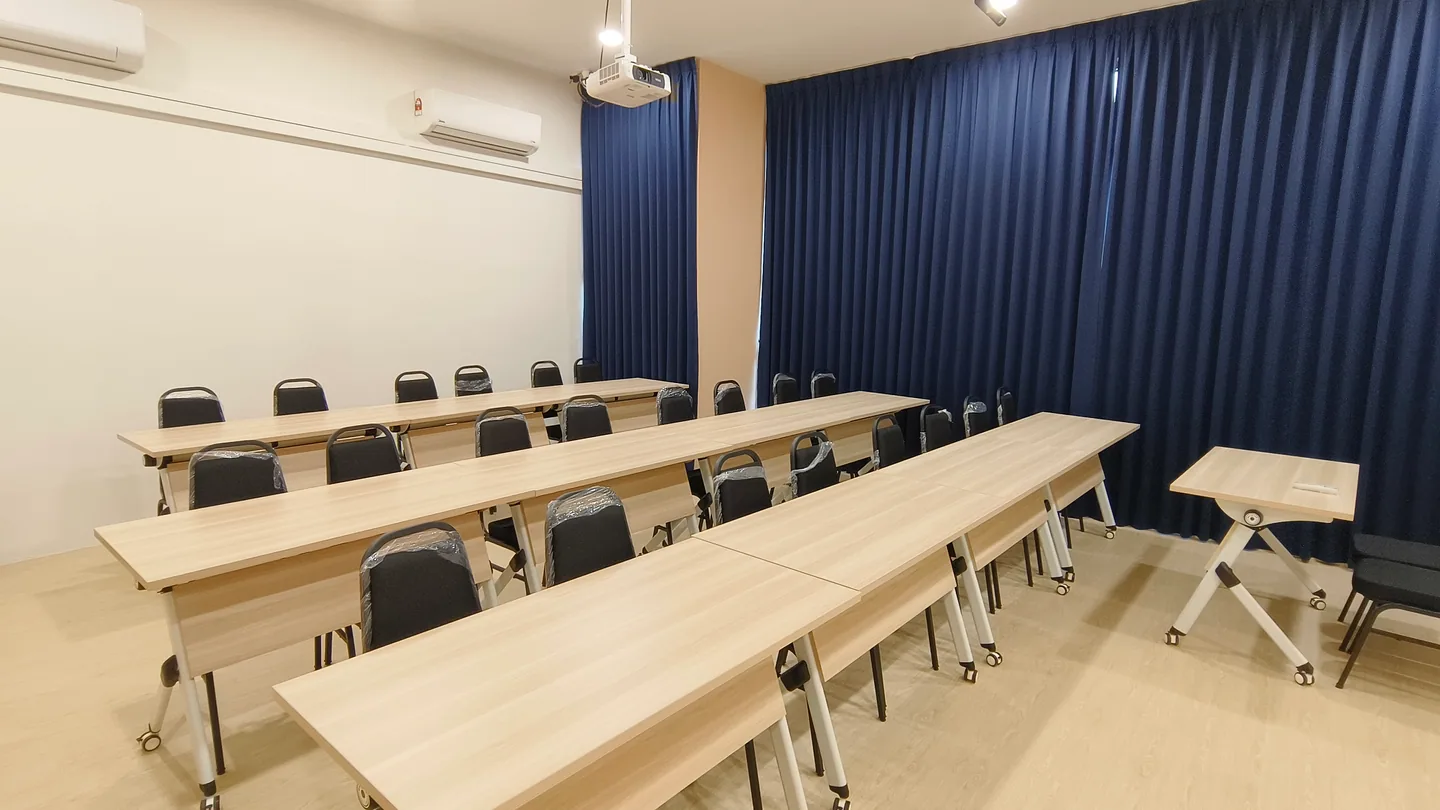
Johor Bahru training centre
Learn in a focused, real classroom environment.
51-02, JALAN ECO CASCADIA 6/1
TAMAN SETIA ECO CASCADIA
81100 JOHOR BAHRU, JOHOR
Bring one real e-Invoice problem
Turn general awareness into a practical implementation discussion.
Tell us your turnover band, current system and the scenario that is still unclear.